Surge Protection
Whole-home surge protection for Sebastian properties that shields electronics and appliances from storm spikes and power blips.
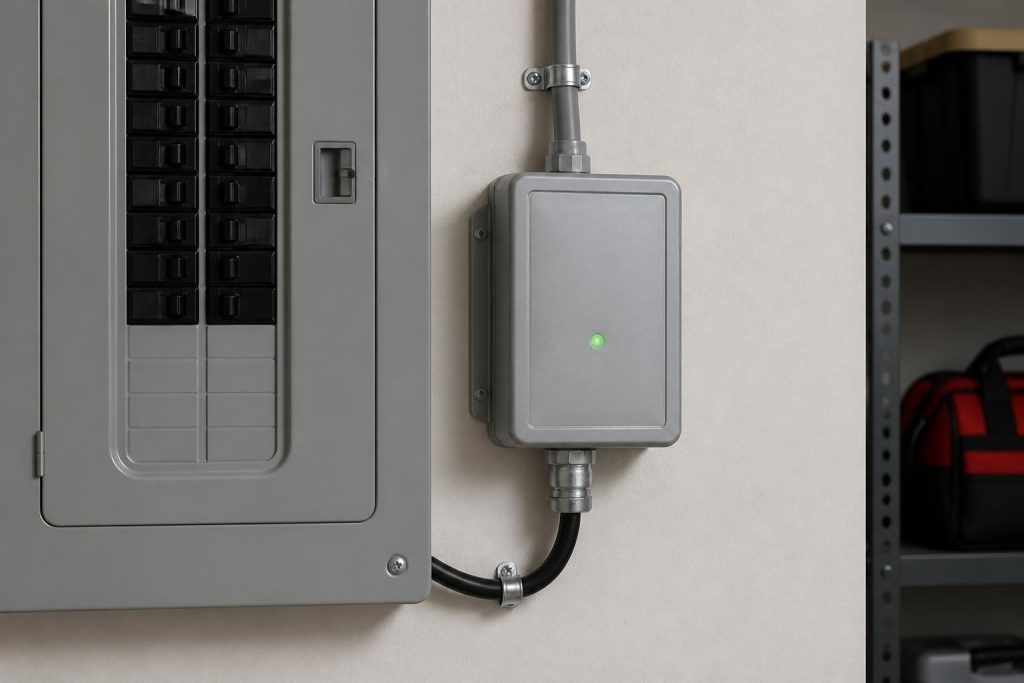
Surge protection from Controlled Power & Lighting Inc. in Sebastian, FL means a surge protective device installed at your electrical panel, so spikes from storms and utility switching are cut down before they reach your outlets. It is for homeowners and property owners who have lost a TV, router, pool equipment, or an HVAC control board and do not want to repeat it. Call or send a request, and we will look at your panel and talk through what makes sense for your property.
Maybe the AC board died after a storm, the microwave clock keeps resetting, or a few LED lights burned out in the same week. Damage like this often traces back to a power surge, and it rarely announces itself. A surge can be one sharp jolt or a long run of small ones that wear electronics down. This page explains how whole-home protection works, what a good installation looks like, and what to ask before you book.
Sebastian Storm Season
Most of Florida's Space Coast and Treasure Coast sees frequent thunderstorms through the warm months, and lightning activity is typically highest in summer afternoons. Lightning does not have to hit your house to cause trouble. A strike on a nearby line or pole can push a spike through the service wires and into every circuit. Utility switching and tree-related outages can also send voltage spikes through the system when power is restored.
Signs of a Surge
- Electronics, appliances, or HVAC boards that fail after a storm or an outage
- Smart devices, routers, or garage door openers that reset or go dark
- Outlets or power strips with a burnt smell, discoloration, or tripped indicator lights
- Several bulbs or LED drivers failing close together
Wear That Builds Over Time
Not every surge is dramatic. Smaller spikes from large motors cycling on and off, such as AC compressors and pool pumps, can shorten the life of sensitive electronics without leaving an obvious cause. If equipment seems to die early with no clear reason, surge protection is worth a conversation.
Whole-Home vs Power Strips
Many people assume a plug-in surge strip covers them. A strip protects what is plugged into it, and only if its internal protection has not already worn out. It does nothing for hardwired equipment like your air handler, water heater, well pump, or the lighting circuits. A surge protective device at the panel sits at the front door of the electrical system and reduces the spike for the whole building.
The two work well together. The panel device takes the first hit, and a good strip at your desk or entertainment center handles what is left. This page covers the panel-level installation. Full lightning protection systems for a structure are a separate type of work, so ask us if that is what you are after.
What We Install
Surge protection work usually comes down to a few clear tasks, depending on your panel and what you want covered.
Panel-Mounted Protection
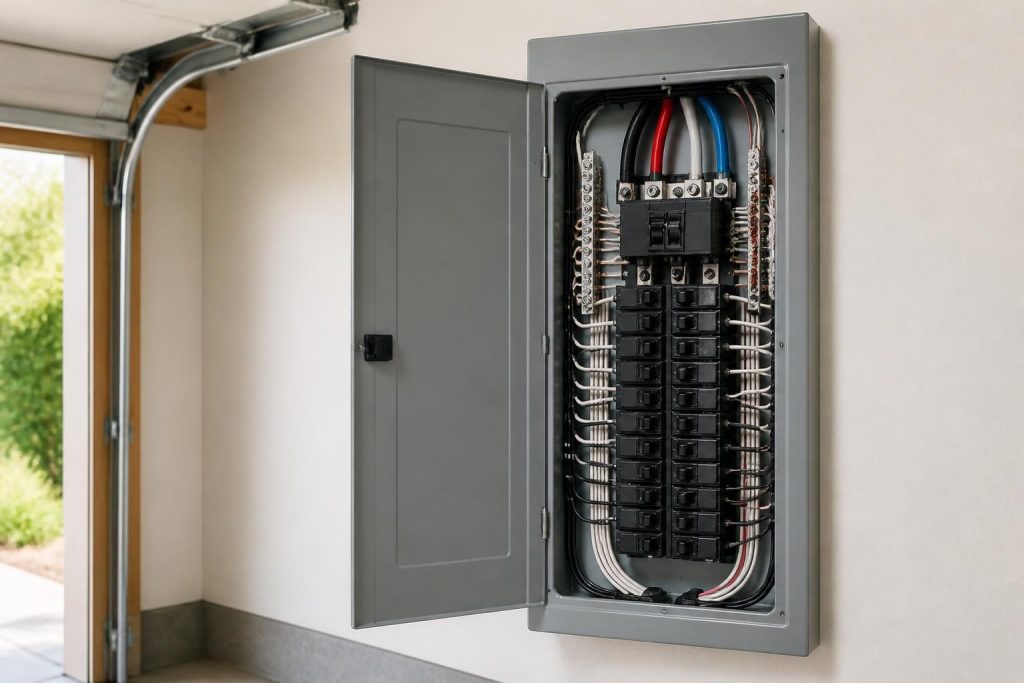
This is the core job: a surge protective device wired to the main panel and connected through a dedicated breaker. It protects branch circuits throughout the property, including the ones feeding hardwired equipment.
Related Electrical Work That May Come Up
Sometimes the panel itself decides the job. If it has no open breaker space, shows heat damage, or is outdated, a panel upgrade may need to come first. We handle panel upgrades and breaker work too, so we can sort that out in the same visit rather than sending you to someone else. Typical tasks include:
- Inspecting the panel, breakers, and visible grounding connections
- Installing the surge protective device and its breaker
- Replacing a worn or damaged breaker that is in the way
- Protecting a sub-panel or detached garage panel when one is present
- Testing and labeling the new circuit
How a Visit Goes
- Walkthrough. We look at your panel, ask what has been failing, and note any equipment you most want covered.
- Panel check. Open breaker space, condition of the bus and breakers, and grounding all affect what can be installed.
- Quote. You get the scope in writing before work starts.
- Installation. Power to the panel is typically shut off for a short time while the device is mounted and wired.
- Testing. Power is restored, the device is checked for normal status indication, and we show you what to look for on it.
Because this is panel work, plan for a brief power interruption. Computers and anything sensitive should be shut down first.
Doing It Well
Whoever you hire, a few standards separate a solid installation from a rushed one.
- Short, direct wiring. Long or looped leads between the device and the panel reduce how well it works. Tidy and short is the goal.
- Correct breaker and wire size. The device should be matched to the manufacturer's instructions, not guessed at.
- Grounding checked. A surge has to go somewhere. If grounding and bonding are poor, protection suffers.
- Clean panel afterward. The panel cover should go back on neatly, the breaker should be labeled, and debris should be cleared away.
- Clear explanation. You should know what the indicator lights mean and when the device needs replacing.
What Affects Cost
Surge protection pricing depends on the property, not a flat formula. The main factors are:
- The type and protection rating of the device you choose
- How many panels need coverage, such as a main panel plus a sub-panel or garage panel
- Available breaker space, and whether a breaker or panel needs replacing first
- Condition of grounding and bonding at the service
- Panel location and how easy it is to reach
- Permit or inspection requirements for the work
A clear written quote should spell out the exact scope, which panels are covered, the device being installed, any extras like breaker replacement, and how changes are handled if something unexpected turns up once the panel cover comes off.
Questions to Ask First
Before hiring anyone for surge protection around Sebastian, Vero Beach, Fellsmere, or Palm Bay, ask:
- Are you a licensed electrical contractor in Florida? Panel work generally calls for one, and permits may apply.
- Do you carry liability insurance? Ask for proof if you want it.
- What exactly is included? Device, breaker, labor, permit, and any panel repairs should be listed.
- What is the device's protection rating, and how will I know when it needs replacing?
- How long will the power be off, and when can you schedule it?
- How will you communicate if the panel check turns up something unexpected?
Common Questions
Will a Surge Protector Stop a Direct Lightning Strike?
No device can promise that. Panel protection is designed to reduce the spikes that travel through wiring from nearby strikes, utility switching, and large motors. It lowers your risk and does not remove it.
How Long Does Installation Take?
A straightforward panel installation is often a fairly short visit. The time grows if the panel needs repairs, a breaker swap, or more than one panel is involved.
How Is the Price Worked Out?
It comes down to the device selected, the number of panels, the condition and space in the panel, grounding, and permit needs. We lay it out in a written quote so you can see what drives it.
Do I Still Need Plug-in Surge Strips?
Often yes. Panel protection covers the whole building, while a good strip adds a second layer close to expensive electronics like computers and home theater gear.
How Often Does a Surge Protective Device Need Replacing?
These devices absorb wear each time they take a hit, so lifespan depends on how many surges they see. Most have an indicator light or alarm that shows when protection has been used up. Check it after major storms.
Can It Be Added to an Older Panel?
Often it can, but it depends on open breaker space and the panel's condition. We look at the panel first and tell you whether the device can go in as is or whether other work should come first.
If storms or power blips have already cost you electronics, call or send a request to Controlled Power & Lighting Inc. and we will set up a time to look at your panel in Sebastian.