Car Charger Ports
Home EV charger installation for Sebastian drivers who want faster, safer charging than a standard wall outlet allows.
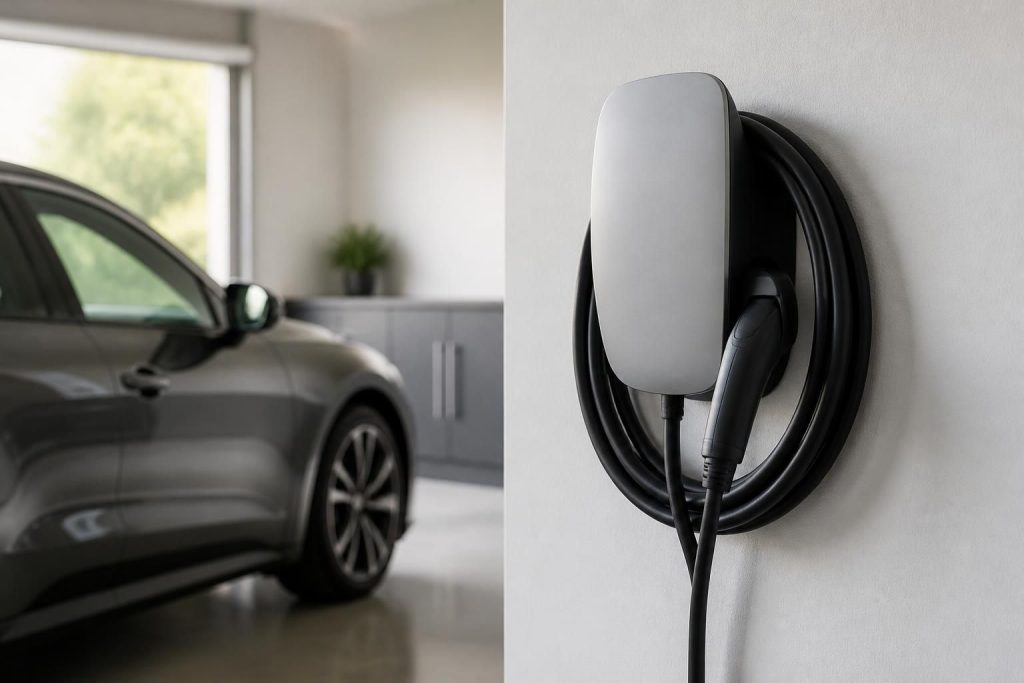
Car charger port installation from Controlled Power & Lighting Inc. covers mounting an EV charger, running the dedicated circuit to it, and making sure your electrical panel can carry the load. We install residential and commercial EV charging solutions throughout Brevard, Indian River, and St. Lucie counties, including Level 2 EV chargers and Tesla charging equipment. Our work includes dedicated EV charging circuits, panel capacity evaluation, and electrical service upgrades when needed. To get started, call or send a request with your vehicle, your charger choice if you have one, and where you park.
Maybe the car takes two days to fill from a regular outlet. Maybe the extension cord feels warm, the garage outlet trips, or you are not sure the panel has room for another big load. A charger port is meant to remove those worries, and it starts with a look at where you park, how far the panel is, and what the circuit needs to carry.
Signs You Need a Charger Port
Most drivers call us after a few weeks of slow charging and a growing sense that the setup is not safe. These are the usual reasons:
- The vehicle gains only a few miles of range per hour on a standard household outlet.
- A garage outlet, plug, or extension cord gets warm during charging.
- The breaker trips when the charger runs alongside the dryer, oven, or air conditioner.
- You are buying an EV and want the charging spot ready before it arrives.
- Your parking spot is a carport, driveway, or side wall with no power nearby.
Warm cords and nuisance trips mean the circuit is working too hard for a constant, hours-long load. An EV charger is not a normal appliance. It draws near its limit for hours at a stretch, so the wiring behind it has to be sized for that kind of use.
What Installation Covers
A typical home charger install has a few connected parts. The charger itself is only one of them.
- Site walk-through. Where the car parks, where the charging port sits on the vehicle, and how the cable will reach it.
- Panel check. Open breaker space, the panel's rating, and how much other load it already carries.
- Dedicated circuit. A breaker and wire sized for the charger, run from the panel to the charging location.
- Mounting and connection. The charger or outlet is secured to the wall and wired to the circuit.
- Testing. The circuit is checked, and the charger is run with your vehicle to confirm it starts and charges.
Garage Installs
An attached garage is usually the simplest location. The panel is often on the same wall or close by, so the wire run is short and the charger stays out of the weather. The main questions are where the cable will hang and whether it will cross a walkway.
Driveway, Carport, and Exterior Walls
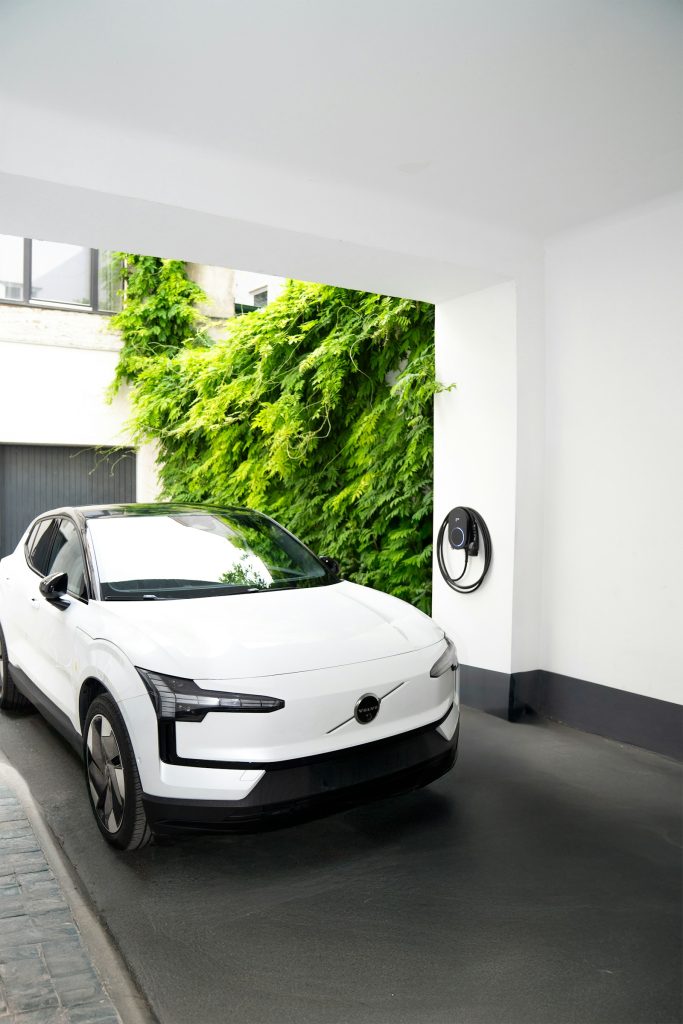
If you park outside, the charger and any outlet need to be rated for outdoor use, and the wire run is longer. It may travel through an attic, along an exterior wall, or underground, depending on the house. These jobs involve more planning, which is why a site visit matters.
Level 1 or Level 2
Customers often ask whether they really need anything beyond the cord that came with the car. The short answer depends on how you drive.
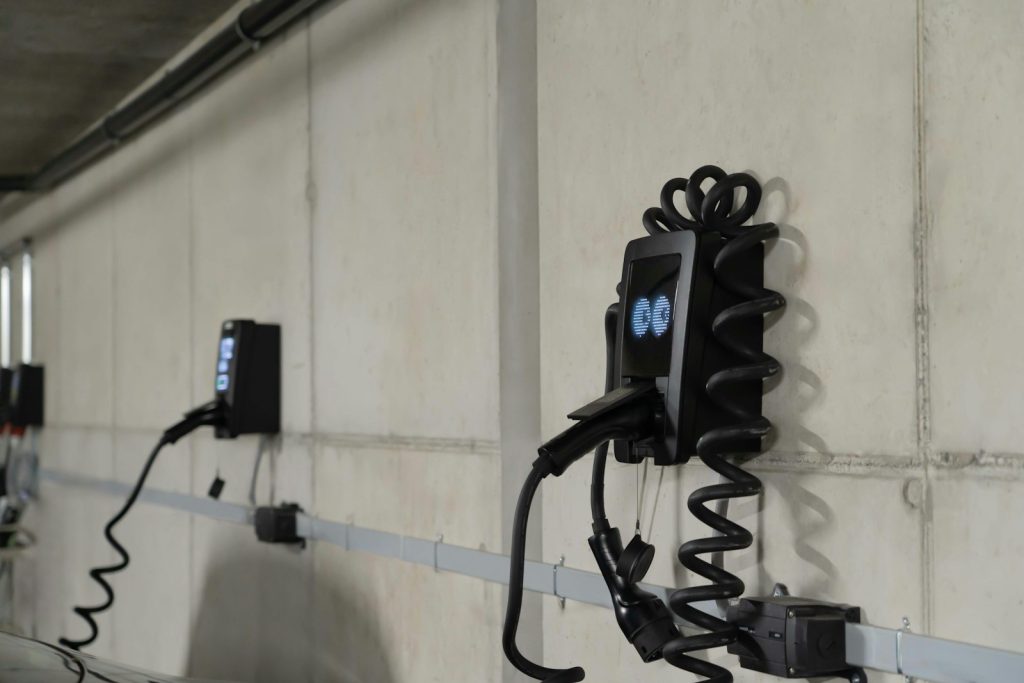
- Level 1. This uses a standard 120-volt outlet. It is the slowest option and works for drivers with short daily trips and a full night to charge. It still needs a healthy outlet on a circuit that is not shared with other loads.
- Level 2. This uses a 240-volt dedicated circuit and charges much faster. Most home charger installs fall here, because it handles commuting, errands, and the occasional longer trip without planning your day around the plug.
Your vehicle also sets a limit on how fast it accepts power at home, so a bigger charger does not always mean faster charging. Check the onboard charging rate in your owner's manual before you pick hardware.
Charger Versus Panel Upgrade
Homeowners sometimes assume a charger install automatically means a new panel, or the reverse. They are separate pieces of work. This page covers the charger port: the dedicated circuit, the breaker, the wiring, and the mounting of the charger or outlet.
If the panel is full, older, or already near its capacity, the charger may need a panel upgrade first. That is a related service we handle on its own. If your panel has room and a good rating, the charger circuit is often all that is needed. A site visit sorts out which situation you have, so you are not paying for work you do not need.
Sebastian Conditions to Plan For
Sebastian homes sit in a warm, humid, storm-prone part of Florida, and that affects how a charger should be installed. Garages get hot in summer, and homes close to the water often deal with salt in the air and moisture. Outdoor equipment should be rated for wet locations and mounted where it will not take direct hits from rain or sprinklers.
Thunderstorms are frequent through the warmer months, and lightning-related surges can hurt expensive electronics, including EV charging equipment. Surge protection is a separate service worth discussing if you are adding a charger. Many homes here are single-story with slab foundations, so wire routes often go through the attic or along exterior walls rather than under the floor.
Questions to Ask Before Hiring
Whoever you hire for a charger port, ask these questions first:
- Do you hold the Florida electrical contractor license for this work, and will you pull any required permit? Ask to see the license number so you can verify it.
- Are you insured for work on my property? Ask for proof if you want it in writing.
- What exactly is included? Charger, breaker, wire, conduit, mounting, permit fees, and cleanup should each be named.
- Will you check my panel's capacity before quoting? A price given without looking at the panel is a guess.
- How will you schedule the work and keep me updated? You should know when someone arrives, whether power will be off, and how changes will be communicated.
What Good Work Looks Like
Even if you do not know electrical code, you can judge an install by a few visible standards:
- The charger is on its own dedicated breaker, not tapped off an existing circuit.
- Wiring is secured and protected, with conduit where it is exposed, and no loose cable draped across the garage.
- The charger is mounted at a sensible height, close enough to the car's port that the cable does not stretch or pile on the ground.
- Outdoor equipment and fittings are rated for wet locations and sealed against moisture.
- The installer tests the circuit, charges your vehicle, and shows you how to use the unit before leaving.
- The work area is cleaned up, and any holes through walls are sealed.
What Affects the Cost
Charger installs vary widely because homes do. The main factors are:
- The distance from the panel to the charging spot, and how hard the route is.
- Whether the panel has room and capacity, or needs a modification or upgrade.
- The charger hardware you choose, or the outlet if you prefer a plug-in unit.
- Indoor versus outdoor mounting, and whether trenching or conduit is involved.
- Permit and inspection requirements for your location.
A clear written quote should spell out the scope, what equipment is included, who supplies the charger, any extras such as surge protection or panel work, and how changes are handled if the job turns up something unexpected. It should state which items are allowances and which are fixed, so nothing surprising lands on the final bill.
Common Questions
How Long Does a Car Charger Install Take?
It depends on the distance to the panel, the mounting location, and whether the panel needs work first. A garage install close to the panel is typically quicker than an outdoor run across the house. A site visit gives you a realistic schedule.
Do I Need a Level 2 Charger or Is a Regular Outlet Enough?
If you drive short distances and can charge overnight every night, a standard outlet on a healthy circuit may be enough. If you commute, take longer trips, or own more than one EV, Level 2 is usually the practical choice.
How Is the Price of a Charger Install Worked Out?
The quote reflects the wire run, the breaker and panel capacity, the charger hardware, the mounting location, and permit needs. Panel work or an outdoor route adds to the scope. Ask for those items to be listed separately.
Will My Panel Handle an EV Charger?
It depends on the panel's rating, the open breaker space, and how much your home already draws. Older or crowded panels may need modification or an upgrade. That is checked before the charger circuit is planned.
Can the Charger Go Outside or on a Carport Wall?
Yes, as long as the equipment is rated for outdoor use and the wiring is routed and protected for the location. Sebastian's humidity, rain, and sun make weather-rated hardware important.
What Should I Have Ready When I Call?
Have your vehicle make and model, the charger you have chosen if any, and a note about where you park. Photos of the garage wall and your electrical panel help us scope the job. Call or send a request to get started.